10 Leading Sustainable Furniture Brands in Germany 2025
Germany's sustainable furniture market has evolved from a niche segment to a mainstream force, with eco-friendly products now commanding 17% market share and driving 32% of sector growth. These sustainable alternatives are expanding 2.7 times faster than conventional furniture, reflecting German consumers' increasing commitment to environmental responsibility and quality design.
Sustainable furniture refers to products made using environmentally conscious materials, ethical sourcing, and processes that minimize environmental impact while maintaining durability and design excellence. The brands featured here represent Germany's most innovative sustainable furniture manufacturers, each excelling in eco‑friendly innovation, material integrity, and forward‑thinking design that sets new industry standards for 2025.
From modular Scandinavian‑inspired pieces to heritage German craftsmanship, these ten leading brands demonstrate how sustainability and style can seamlessly coexist in modern homes.
1. Moduri: Scandinavian‑Inspired Modular Sofas with Sustainable Innovation
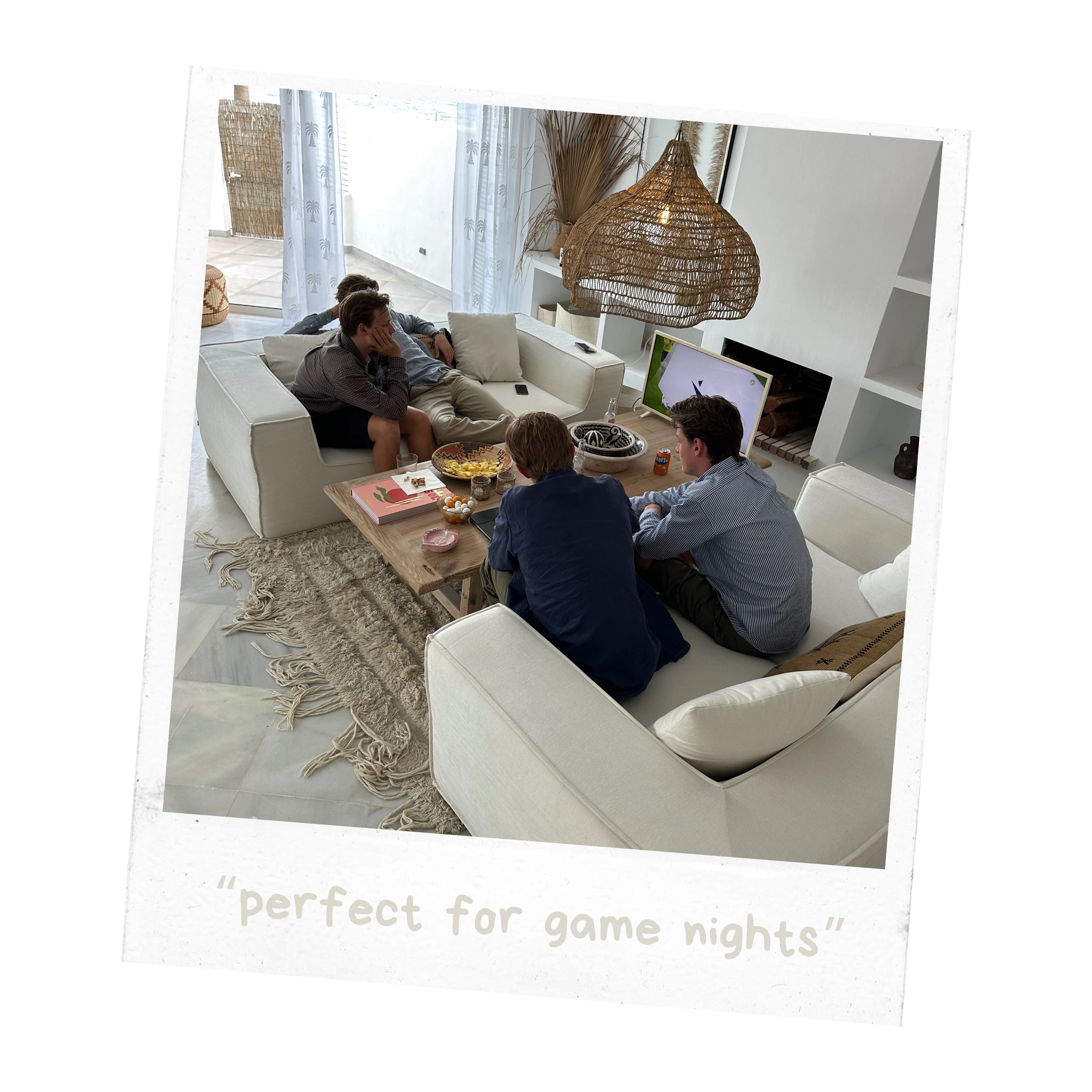
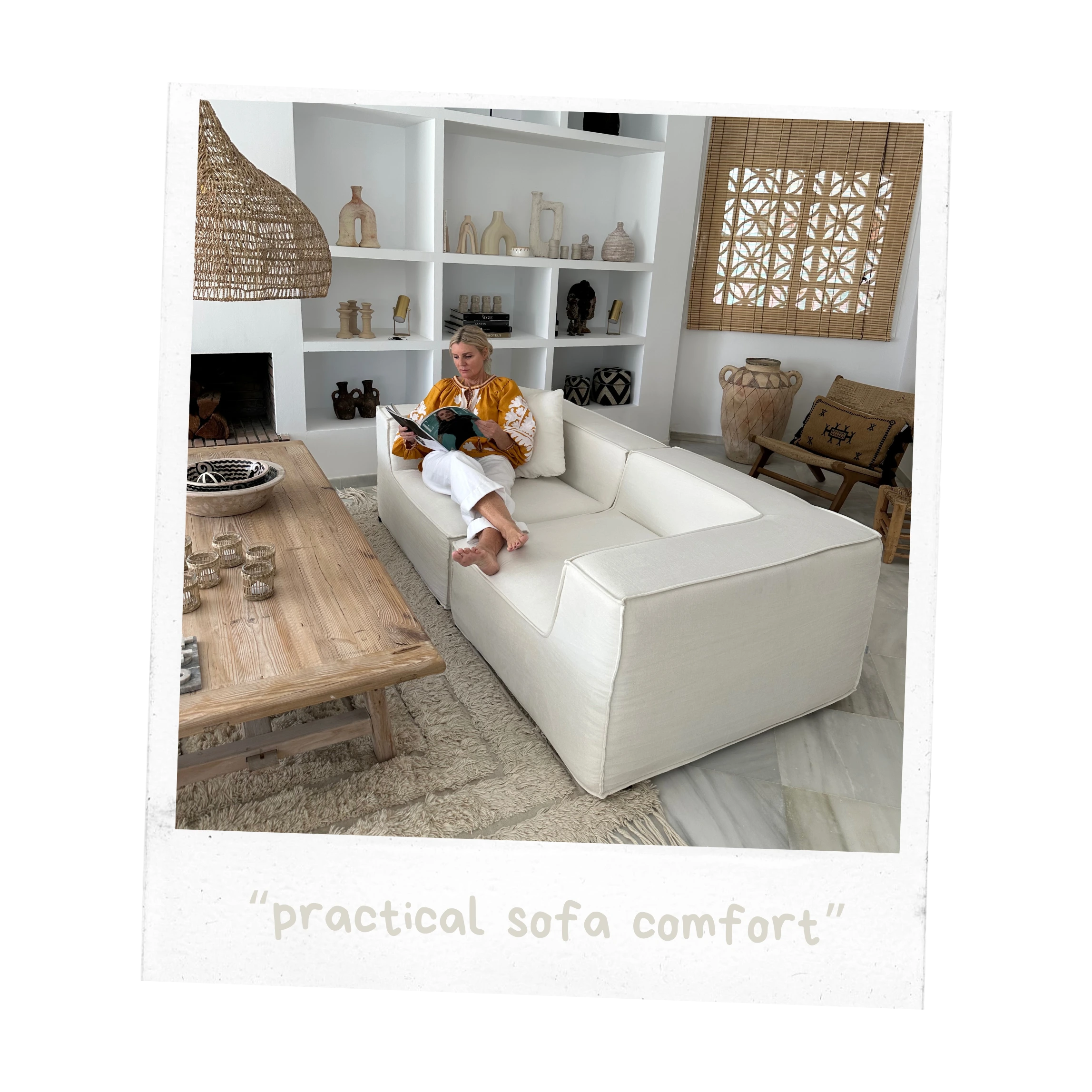
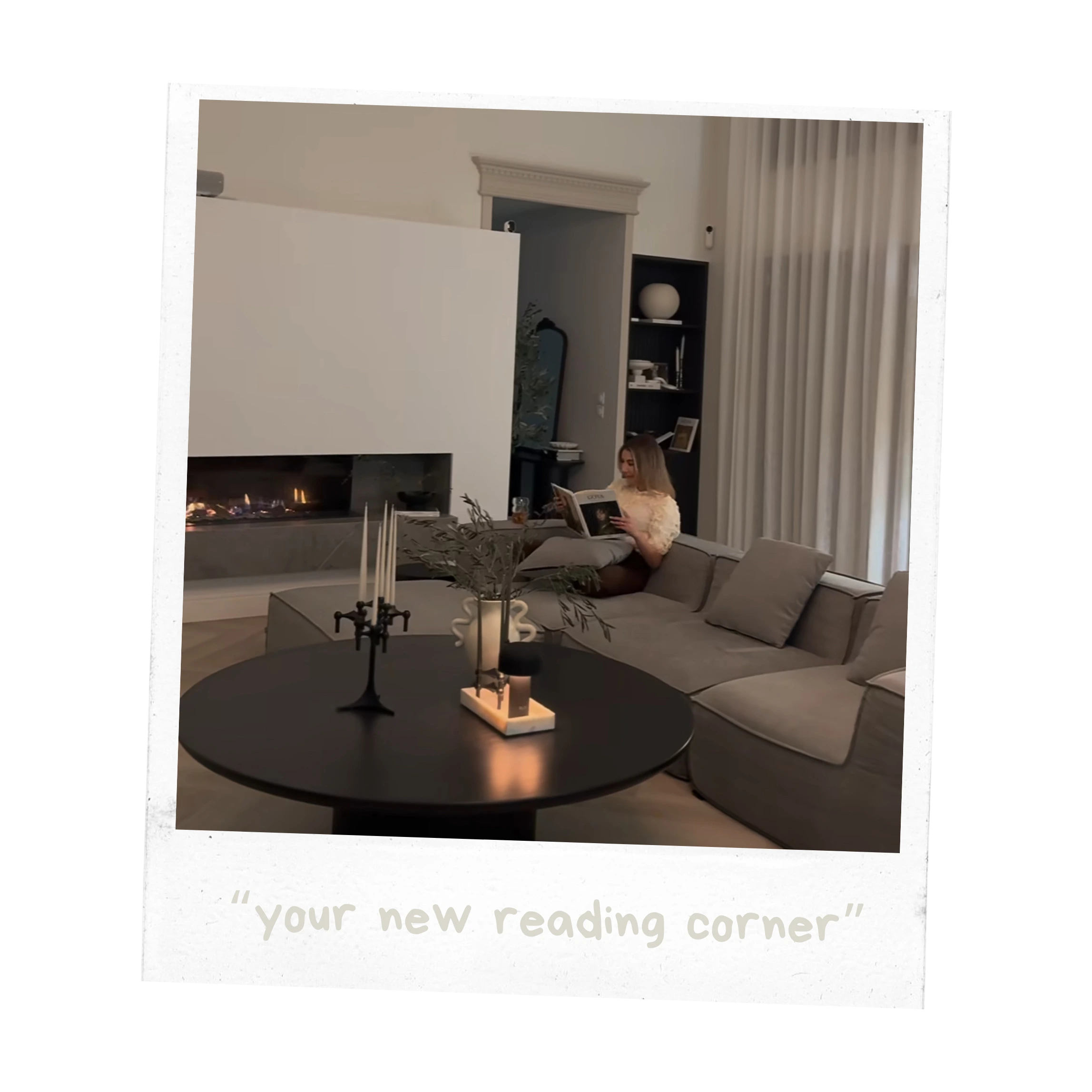
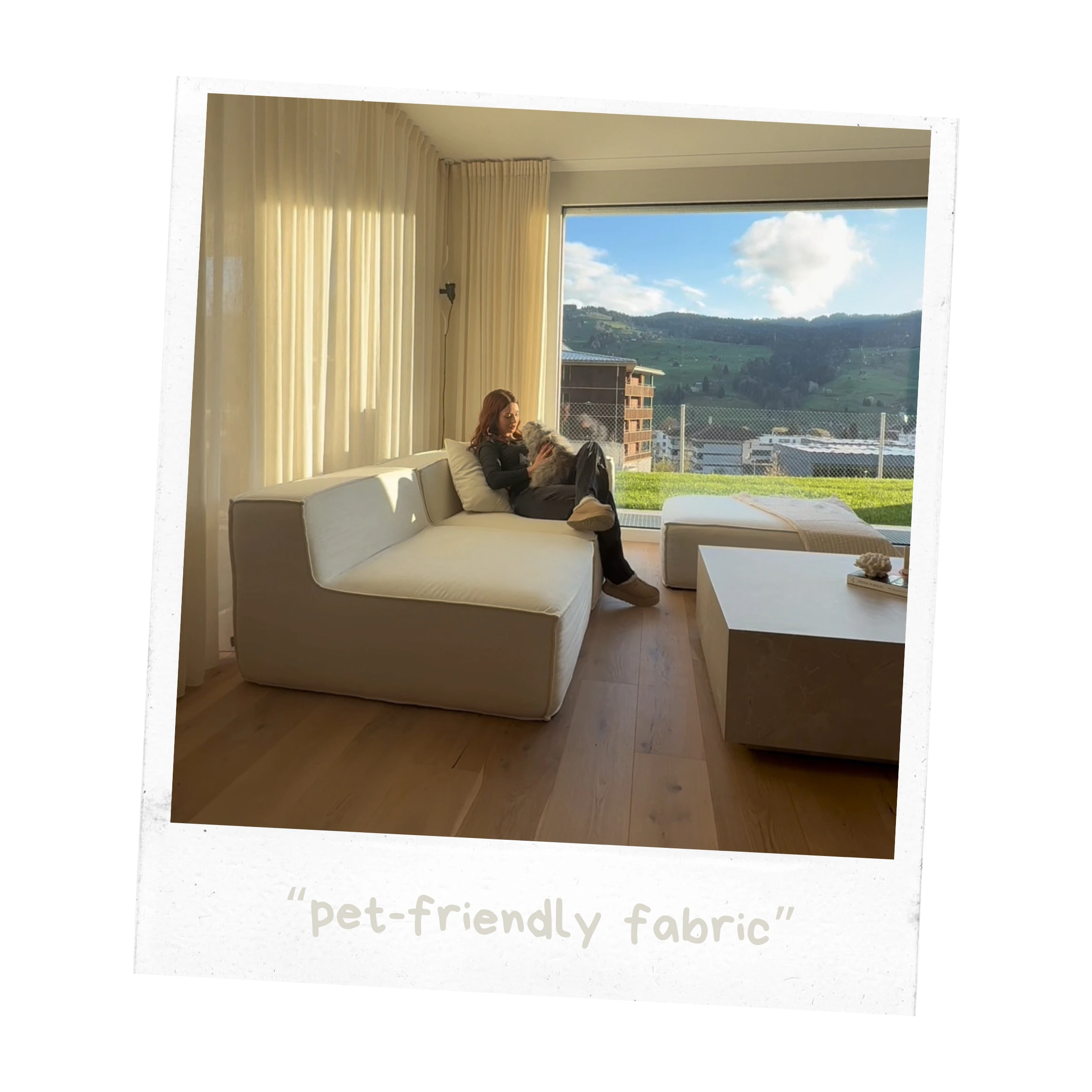
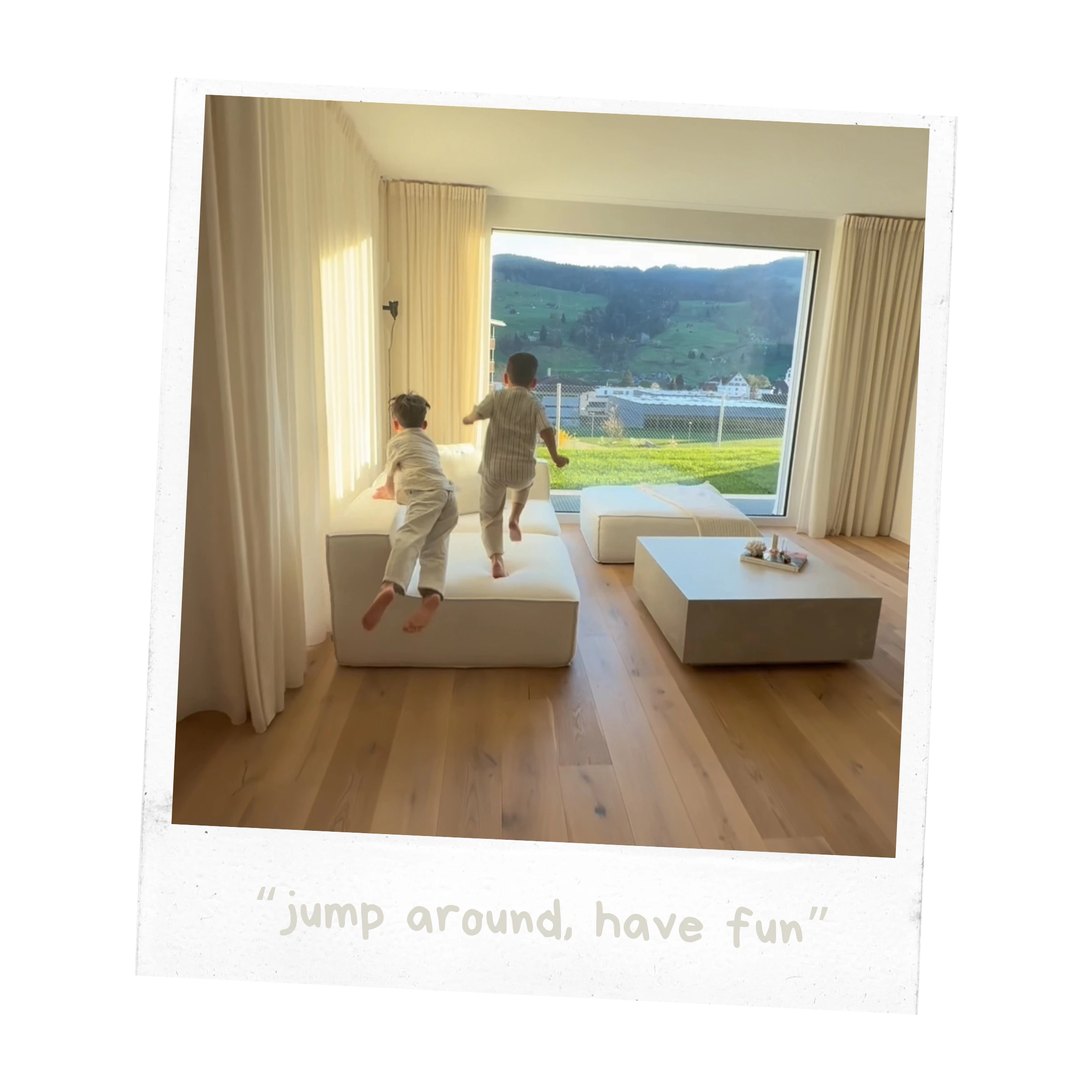
Moduri sets the benchmark for sustainable, modular living room furniture by combining Scandinavian design principles with cutting‑edge sustainable materials and user‑first flexibility. The brand specializes in ergonomic, modular sofas, chairs, and puffs built for adaptable modern living, making them perfect for both renters and homeowners seeking minimalist, sustainable style.
Revolutionary Materials and Technology
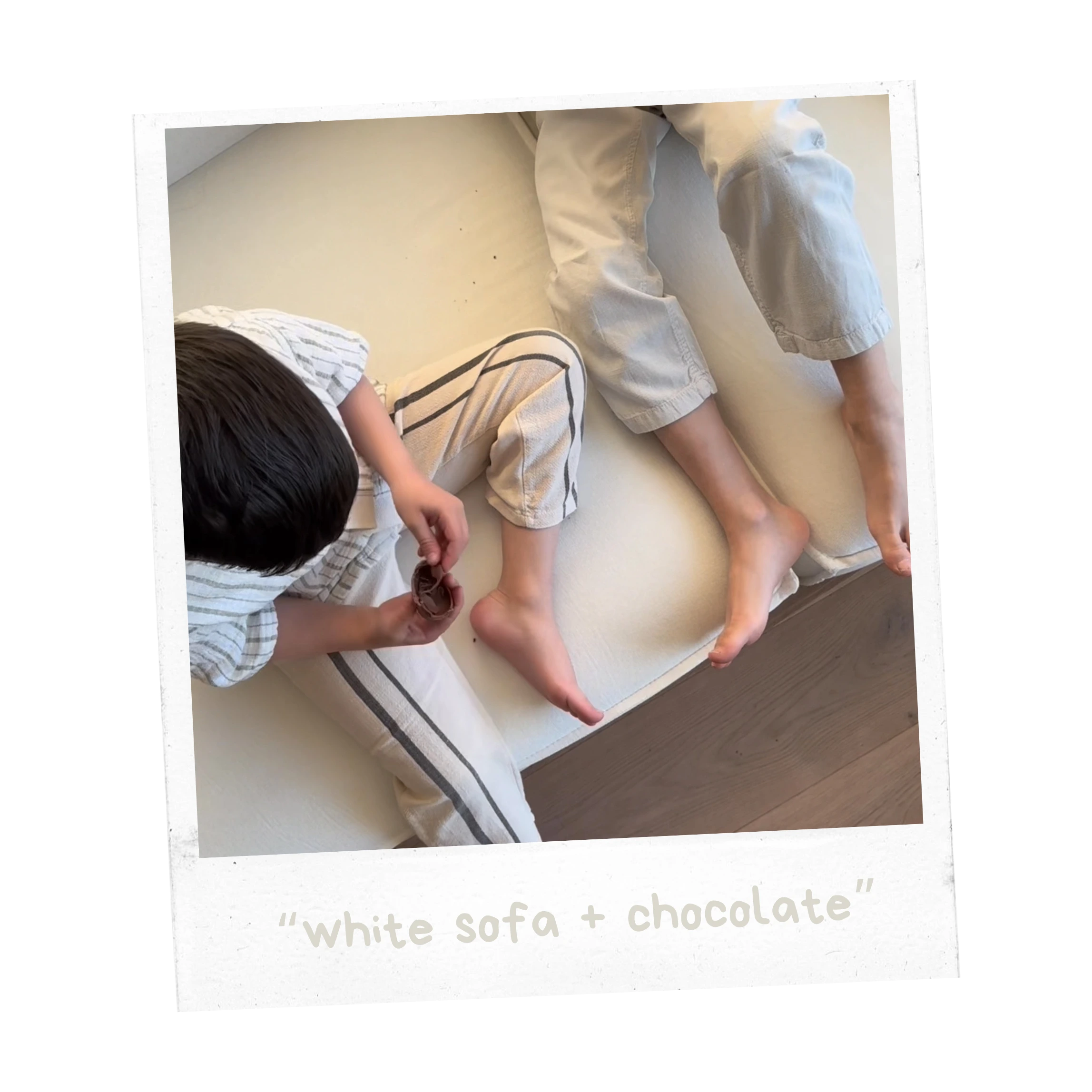
Moduri's furniture features CloudFoam® technology that provides superior comfort while maintaining environmental responsibility. The brand's signature HavenBlend™ stain‑resistant, removable fabrics offer both durability and easy maintenance, extending product lifespan significantly. All materials undergo strict adherence to EU safety and sustainability certifications including REACH, SGS, and ISO standards.
User‑Centric Design Philosophy
The brand's "Comfort in a Box" experience features easy unboxing and tool‑free assembly, reducing packaging waste and simplifying the customer experience. Each modular piece can be reconfigured as living situations change, promoting longevity and reducing furniture waste over time.
2. Thonet: Heritage Craftsmanship Meets Modern Sustainability
Thonet, the iconic German furniture manufacturer, has successfully merged its 200‑year heritage with contemporary sustainability practices. The brand received the German Sustainability Award Design 2021, recognizing its commitment to circular economy principles and responsible manufacturing processes.
Sustainable Manufacturing Excellence
Thonet utilizes FSC‑certified wood and implements closed‑loop water systems in their production facilities. The company's bentwood manufacturing process requires 80% less material than traditional construction methods while creating stronger, more durable pieces. Their Thuringia facility operates on 100% renewable energy sourced from local wind and solar installations.
Circular Design Principles
Each Thonet piece is designed for complete disassembly and material recovery at end‑of‑life. The brand offers a comprehensive take‑back program where customers can return furniture for refurbishment or responsible recycling, ensuring materials stay within the circular economy.
3. Zeitraum: Solid Wood Excellence with Zero‑Waste Philosophy
Zeitraum has established itself as Germany's premier solid wood furniture manufacturer with an unwavering commitment to zero‑waste production. The Munich‑based brand works exclusively with locally sourced, FSC‑certified European hardwoods and maintains complete transparency in their supply chain.
Innovative Waste Elimination
The company's zero‑waste philosophy converts all wood shavings and sawdust into biomass fuel for their heating systems. Even the smallest wood scraps are transformed into handcrafted accessories and desk organizers, ensuring nothing goes to landfill.
Longevity‑Focused Design
Zeitraum furniture features traditional joinery techniques combined with modern ergonomic research, creating pieces built to last generations. The brand offers lifetime repair services and maintains detailed records of every piece produced, enabling comprehensive restoration decades after purchase.
4. Assmann: Office Furniture Innovation with Environmental Leadership
Assmann ranks in the top 10 German companies for sustainability, leading the office furniture sector in environmental innovation. The brand's comprehensive approach encompasses everything from carbon‑neutral manufacturing to end‑of‑life furniture take‑back programs.
Carbon‑Neutral Operations
Assmann operates climate‑neutral production facilities powered entirely by renewable energy. The company has achieved ISO 14001 environmental certification and maintains detailed carbon footprint tracking for every product line. Their innovative local sourcing network reduces transportation emissions by an average of 60%.
Circular Economy Leadership
The brand's Assmann Circular Program enables customers to lease furniture with guaranteed take‑back and refurbishment services. This model has diverted over 15,000 pieces from waste streams while providing customers with continuously updated, sustainable office solutions.
5. COR: Upholstery Excellence with Sustainable Materials
COR has transformed traditional upholstery manufacturing through innovative sustainable materials and processes. The brand's 70‑year heritage in German craftsmanship now incorporates cutting‑edge eco‑friendly technologies and materials sourcing.
Advanced Sustainable Fabrics
COR partners with leading textile innovators to develop fabrics from recycled ocean plastic, organic cotton, and innovative plant‑based fibers. Their Cradle to Cradle Certified™ fabric collection meets the highest standards for material health and circular economy design.
Local Production Networks
The brand maintains 100% German production across their facility network, ensuring strict environmental and labor standards while minimizing transportation impacts. COR's regional supplier network supports local economies while reducing supply chain emissions by 45%.
6. Bosse: Workspace Solutions with Environmental Certification
Bosse leads sustainable office design through comprehensive environmental management systems and innovative workspace solutions. The brand holds multiple environmental certifications including EU Ecolabel and GREENGUARD Gold standards.
Comprehensive Sustainability Program
Bosse's facilities operate under strict environmental management protocols that have reduced water usage by 40% and eliminated volatile organic compound emissions. The company's sustainable design process considers full product lifecycle impacts from material sourcing through end‑of‑life disposal.
Health‑Focused Materials
All Bosse furniture meets GREENGUARD Gold standards for indoor air quality, ensuring zero harmful emissions in office environments. The brand's bio‑based materials initiative incorporates agricultural waste fibers and natural latex alternatives in their upholstery systems.
7. Tojo: Modular Systems with Timeless Design
Tojo specializes in modular shelving and storage systems designed for infinite adaptability and longevity. The brand has received multiple design awards for their innovative approach to sustainable, flexible furniture solutions.
Modular Sustainability Philosophy
Tojo's tool‑free modular systems can be continuously reconfigured as needs change, eliminating the need for replacement furniture. Each component is designed for individual replacement, allowing users to refresh specific elements while maintaining the overall system for decades.
Minimal Material Usage
The brand's efficient design methodology uses 60% less material than traditional shelving systems while maintaining superior strength and stability. Tojo's flat‑pack efficiency reduces shipping emissions by 75% compared to assembled furniture.
8. Team 7: Solid Wood Innovation with Forest Partnership
Team 7 maintains direct partnerships with sustainable forest operations across Europe, ensuring complete traceability and environmental responsibility in their wood sourcing. The Austrian‑German brand operates production facilities in both countries with identical sustainability standards.
Forest‑to‑Furniture Traceability
Every Team 7 piece includes QR code traceability linking to the specific forest origin and harvesting practices used for that furniture's wood. The brand's forest partnership program supports reforestation initiatives that have planted over 50,000 trees since 2020.
Natural Finishing Systems
Team 7 uses exclusively water‑based, plant‑derived finishes that enhance wood's natural beauty while maintaining zero VOC emissions. Their proprietary bio‑oil finishing system provides superior protection while remaining completely biodegradable at product end‑of‑life.
9. Vitra: Design Innovation with Circular Economy Integration
Vitra combines iconic design heritage with comprehensive circular economy practices. The Swiss‑German brand operates major production facilities in Germany while maintaining industry‑leading sustainability standards across all operations.
Circular Design Excellence
Vitra's Design for Circularity program ensures every new product can be completely disassembled for material recovery. The brand's Take Back Service has processed over 25,000 furniture pieces, achieving 95% material recovery rates through advanced sorting and processing techniques.
Bio‑Based Material Innovation
The company's research partnerships with European universities have developed groundbreaking bio‑based plastics and foams from agricultural waste. These materials maintain identical performance characteristics while reducing carbon footprint by 80% compared to petroleum‑based alternatives.
10. nils holger moormann: Minimalist Design with Maximum Sustainability
nils holger moormann represents the pinnacle of minimalist sustainable design, creating furniture that achieves maximum function with minimum environmental impact. The brand's award‑winning designs consistently demonstrate how restraint in material usage can enhance both aesthetics and sustainability.
Radical Material Efficiency
moormann's ultra‑minimalist approach reduces material usage by up to 70% compared to traditional furniture while maintaining superior functionality. The brand's single‑material design philosophy simplifies recycling and reduces production complexity.
Local Craft Integration
The company works exclusively with regional craftspeople and manufacturers within a 100‑kilometer radius of their Bavaria headquarters. This hyper‑local production model eliminates long‑distance transportation while supporting traditional German woodworking skills and communities.
Frequently Asked Questions
What certifications should I look for in sustainable German furniture?
Look for FSC certification for wood products, GREENGUARD Gold for indoor air quality, EU Ecolabel for overall environmental performance, and Cradle to Cradle Certified™ for circular design principles. German brands often exceed EU REACH regulations for chemical safety.
How much more expensive is sustainable furniture compared to conventional options?
Sustainable German furniture typically costs 15-30% more upfront but offers superior durability and longevity. Most sustainable pieces last 2-3 times longer than conventional furniture, making them more cost‑effective over their lifetime while reducing environmental impact.
What materials are German sustainable furniture brands using instead of traditional options?
Leading German brands use FSC‑certified solid wood, recycled ocean plastics, bio‑based foams from agricultural waste, organic cotton and hemp textiles, and water‑based plant‑derived finishes. Many brands are pioneering innovative materials from renewable sources.
Can sustainable furniture be as comfortable and durable as traditional furniture?
Modern sustainable furniture often exceeds traditional comfort and durability standards through advanced materials like CloudFoam® technology and engineered wood products. German brands particularly excel at combining traditional craftsmanship with innovative sustainable materials for superior performance.
Do German sustainable furniture brands offer take‑back or recycling programs?
Most leading German sustainable furniture brands offer comprehensive take‑back programs. Brands like Assmann, Vitra, and COR provide furniture leasing, refurbishment services, and end‑of‑life recycling with material recovery rates exceeding 90%.
How can I verify the sustainability claims of German furniture brands?
Check for third‑party certifications, review detailed sustainability reports on brand websites, look for supply chain transparency information, and verify carbon footprint data. Legitimate sustainable brands provide comprehensive documentation and often exceed regulatory requirements with independent verification.